


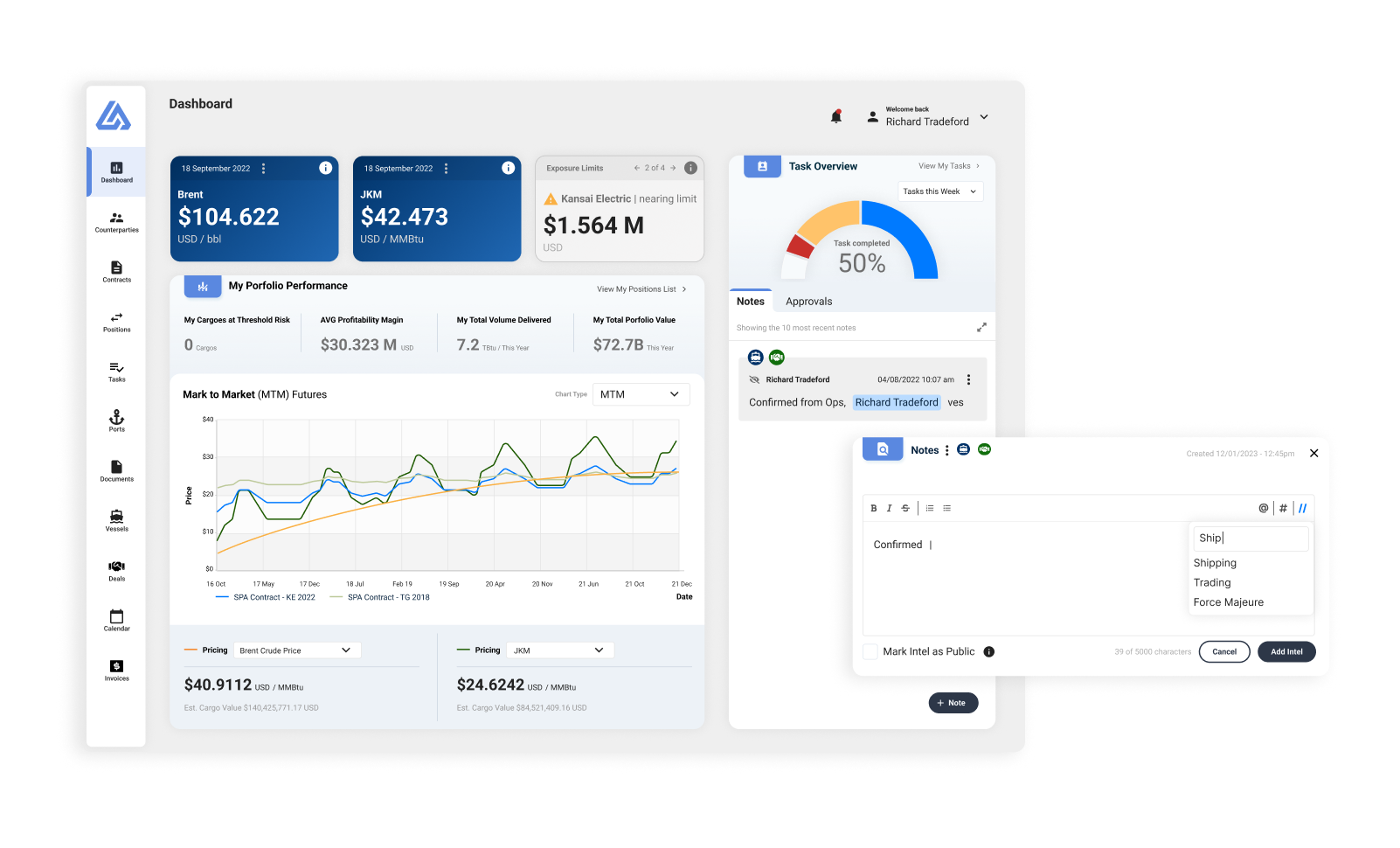
Redesigning complex, compliance-driven interfaces for a B2B enterprise cargo management solution platform operating in the regulated Oil & Gas and Resources sector.
GLX Digital needed a scalable user experience to support a new digital product in a high-stakes trading environment. The platform was complex, compliance-heavy, and required alignment across business, legal, and tech teams.
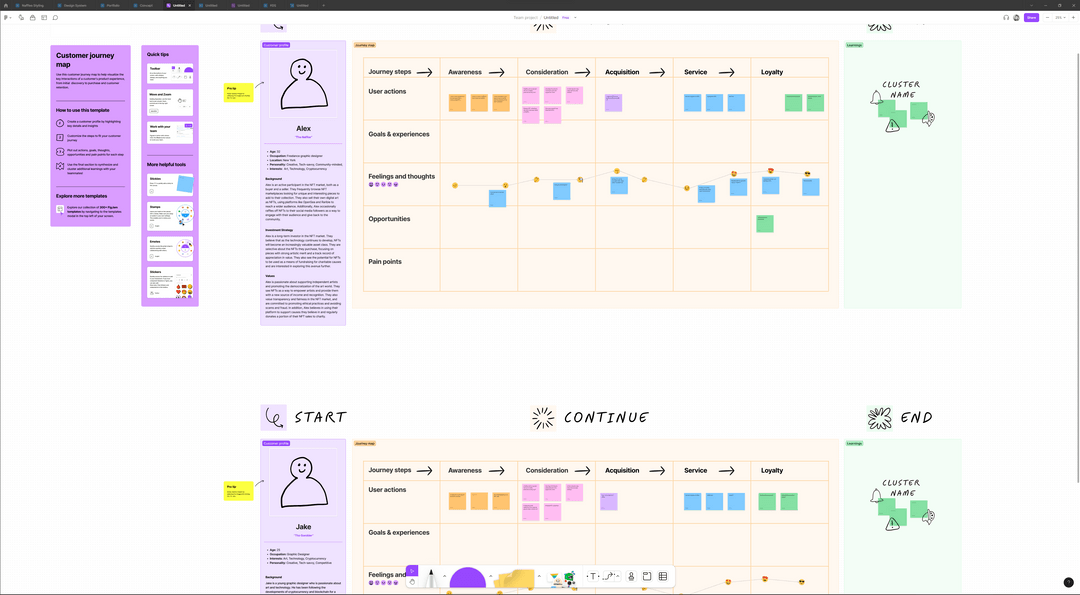
I led stakeholder interviews, discovery workshops, and SME sessions to map out user needs and business constraints.
“Speed and accuracy were critical, but trust and traceability couldn’t be compromised.”
One-on-one conversations with users helped us understand their needs, motivations, behaviors, and challenges.
Evaluating user interaction with a prototype helped us undesrstand how effective the interaction pattern was by observing them perform specific tasks.Competitive analysis
Comparing the strengths and weaknesses of your product with those of your competitors helped us identify opportunities for improvement and differentiation.
Evaluating design with the team helped us fine tune the quality and effectiveness of a design solution against established criteria or best practices.
Creating fictional representations of target users helped us empathize with their needs, goals, and preferences to create more effective designs.
Visualizing the steps and emotions that users go through when interacting with a product, helped us identify pain points and opportunities for improvement.
I created a scalable design system in Figma that reduced design debt and increased handoff clarity.
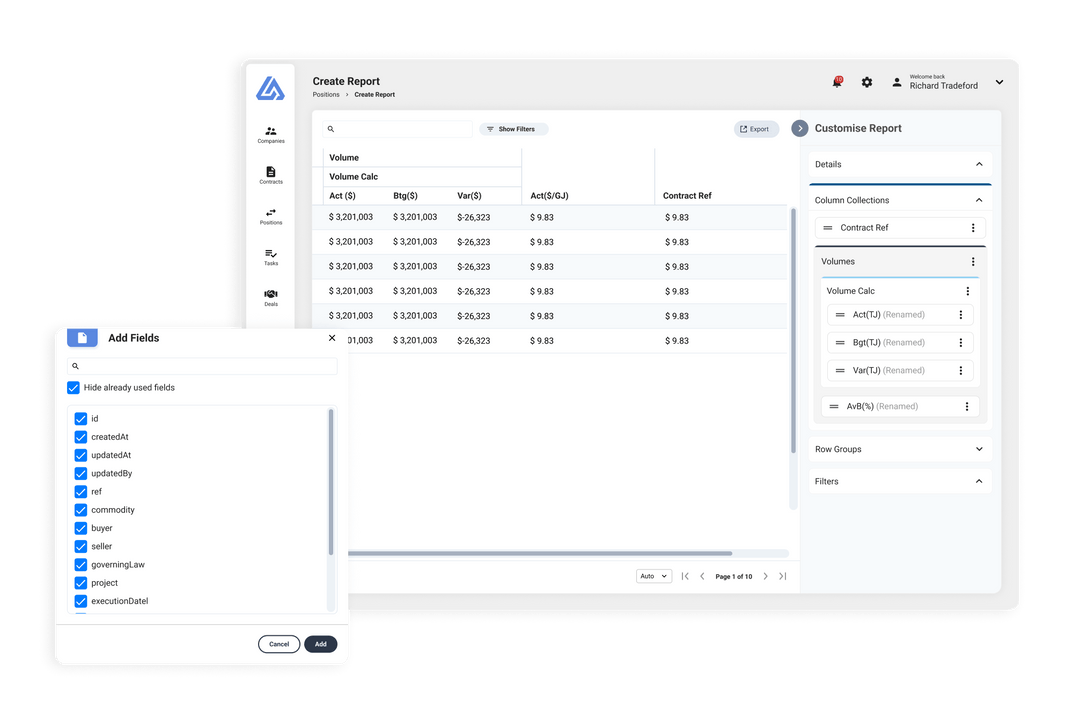
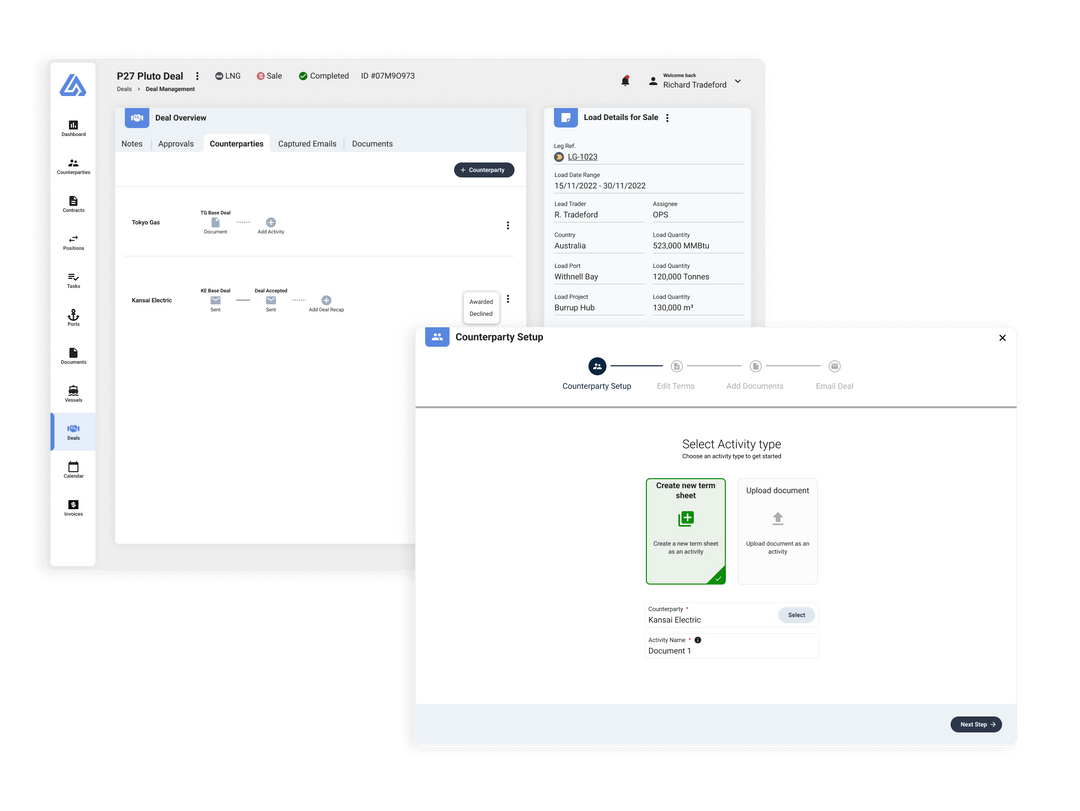
By delivering a robust Figma Design System (FDS), I streamlined collaboration across teams—reducing design-to-development friction, improving UI consistency across three key product modules, and enabling faster stakeholder alignment. Through interactive prototyping and clear storytelling, I secured executive buy-in and established the FDS as a shared asset adopted company-wide.
